From Overwhelmed to Author: How to Finally Start Your Memoir
I hear it all the time from aspiring authors: “I have this incredible story living inside me, but I have no idea how to get it onto the page.”
Deciding to share your personal journey is a massive, courageous step. But knowing how to tell that story effectively? That’s a different beast entirely. Whether you’re writing about a life-altering trip, a season of hardship, or a front-row seat to history, trying to squeeze years of lived experience into a single book can feel paralysing.
How do you focus the lens? How do you decide what stays and what hits the cutting room floor? Here is how I walk my authors through those first daunting steps.
1. Identify Your “Key Moments”
The biggest mistake I see? Trying to include everything. I’ve read countless first drafts that feel like a dense, rambling list of events. A memoir isn’t a record of everything that happened; it’s a story about a specific transformation.
Even though your story is true, it still needs a “plot.” I always suggest starting with The Happening—that one specific moment when your world shifted on its axis.
- Try This: Get a large piece of paper. Put The Happening right in the center. Now, mind-map outward. What was your Current Reality before that moment? What was the impossible Choice you had to make? What was the Final Confrontation, and what is the New Reality you live in now?
- The Litmus Test: If you can’t find a “Final Confrontation” or a clear change, you might have a great essay or a short story, but perhaps not a full-length book.
2. Mine Your Journals for Emotional Truth
You are not the same person you were ten years ago. This is the memoirist’s greatest challenge: capturing the “you” of the past without the filters of the “you” of today. This is where your old journals become a goldmine.
Journals are sponges for raw, unedited emotion. They hold the mindset, the smells, and the specific heartaches that memory tends to blur over time.
- Try This: Dust off those old notebooks from the period you’re writing about. Don’t just look for facts; look for turning points. Highlight phrases that capture who you were—even the parts that make you cringe now! Those “Ah-ha” moments or the raw entries where you finally understood a hard truth are the heartbeat of a memoir that resonates with others.
3. Interview the “Supporting Cast”

A great memoir isn’t just a diary entry; it’s a reflection on the past with the wisdom of the present. To keep your book from feeling like a one-sided rant or a “pity party,” you need a bit of objectivity.
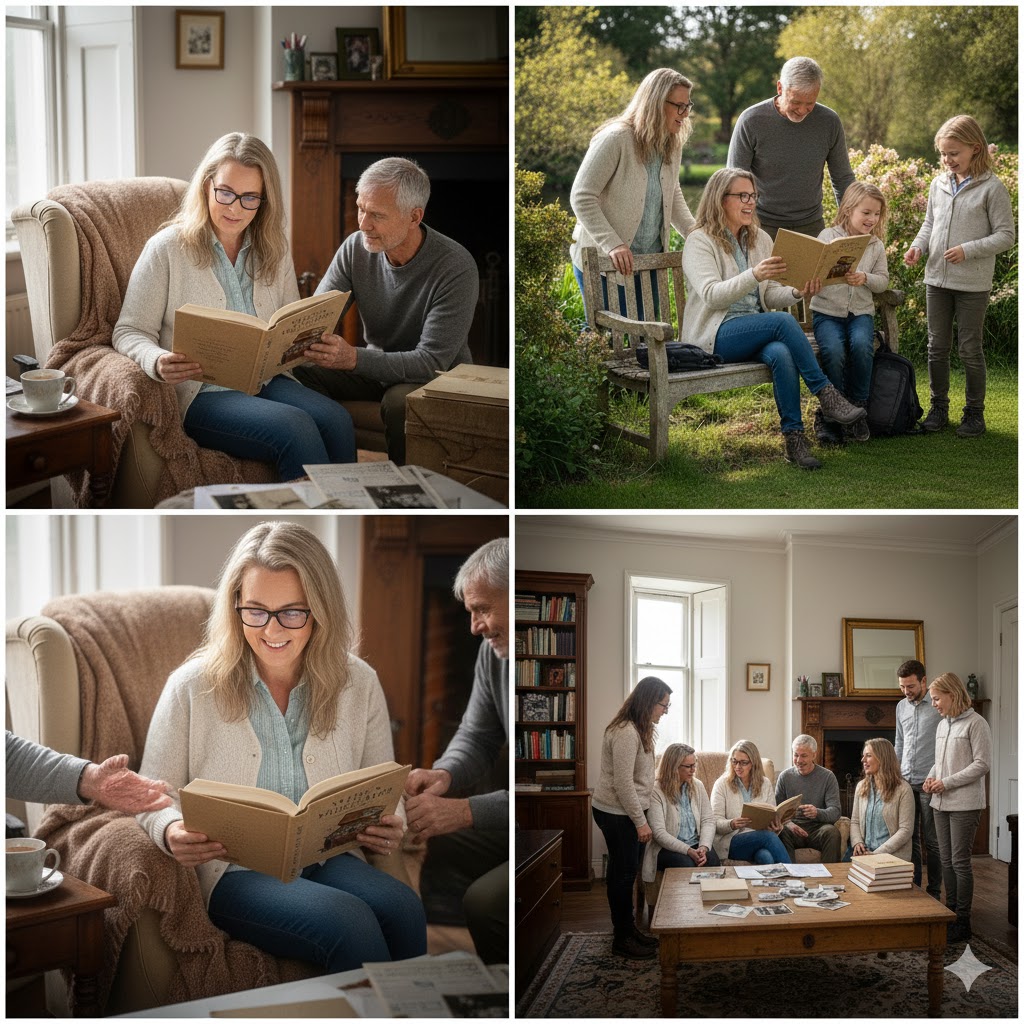
Talking to the people who were there with you can add layers of texture you might have missed. They remember the details you’ve blocked out or the way you behaved when you thought no one was looking.
Try This: Sit down with a friend or family member for a “vulnerability interview.” Ask the hard questions: “How did I seem to you back then?” or even, “What do you think I should have done differently?” Their perspective provides the “wide-angle lens” that makes your story feel three-dimensional and human.
 Tor Publications UK
Leave a comment